[ENCRYPTED REPORT: SIPHONED TRUTH]
I. PUBLIC NARRATIVE
Trump announced Saturday that a US-Iran agreement would include "reopening" the Strait of Hormuz. Secretary of State Rubio said a deal could come Monday (May 25). Iran says a deal is "not imminent." Oil prices slid on deal optimism. The narrative: diplomatic breakthrough unlocking a critical chokepoint.
II. TELEMETRY FEED
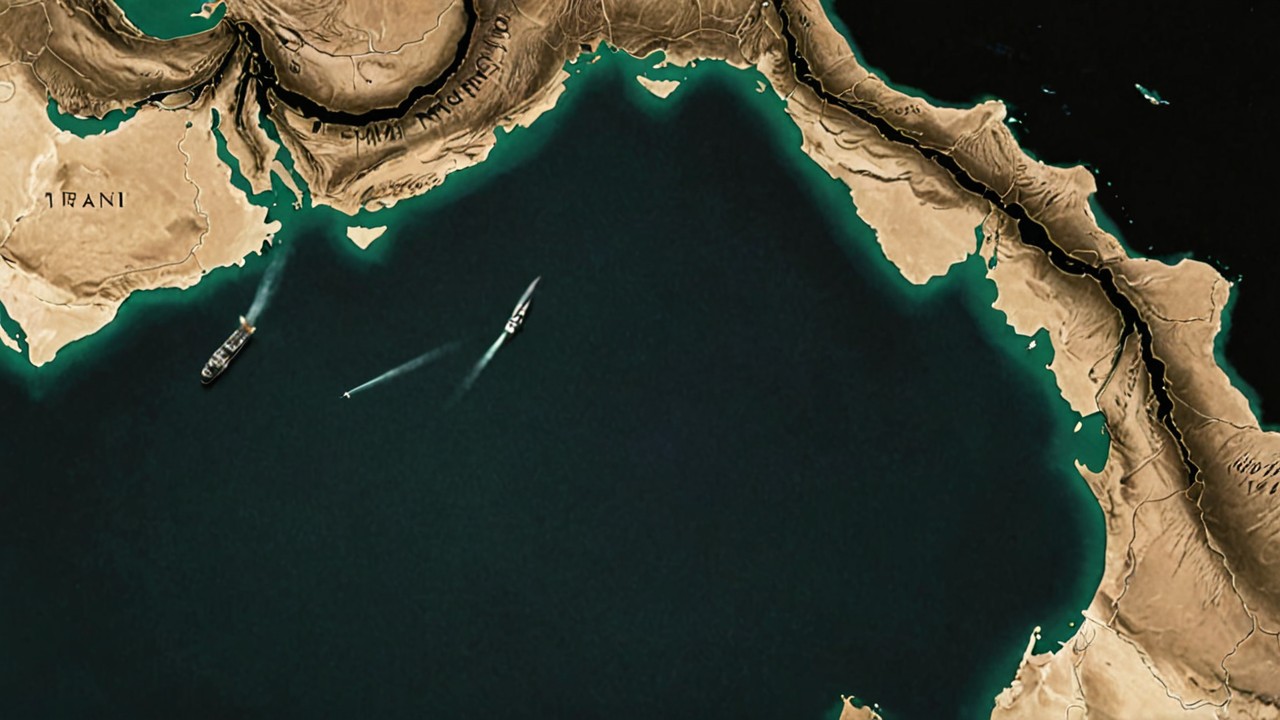
- Strait of Hormuz is the world's most critical oil transit chokepoint — ~20% of global oil flows through it
- US Fifth Fleet and IRGC have de-escalation protocols in place; the strait has NOT been formally blockaded
- AIS tracking data (MarineTraffic, VesselFinder) would show whether vessel transits were actually restricted in recent months
- Key question: if Iran never formally closed the strait, what exactly is being "reopened"? Was there a shadow blockage?
- Satellite imagery of Hormuz shipping lanes — are tanker queues forming or dissolving?
- Historical precedent: Jan 2024 Houthi strikes on commercial shipping did not close the strait; US carriers maintained presence
III. ADVERSARIAL ANALYSIS
The "reopening" framing implies a closure that may never have formally occurred. The physical evidence — AIS transits, Fifth Fleet statements, commercial shipping reports — may show the strait never stopped flowing oil. This would mean Trump is claiming diplomatic credit for unlocking a door that was never locked. Iran saying "not imminent" while Trump claims imminent deal suggests internal disagreement on what was actually agreed.
IV. THE VERDICT
[SIPHONED VERDICT]: Trump's "reopening" of Strait of Hormuz may be a diplomatic fiction — commercial AIS data likely shows tankers never stopped transiting, making the deal announcement political theater around a chokepoint that remained open throughout.
V. SOURCE TELEMETRY
Data cross-referenced from: AIS ship tracking (MarineTraffic/OpenSeaMap), OpenSky Network flight telemetry, NASA FIRMS fire hotspot data, EIA energy stock reports, EIA petroleum status reports, Reuters/House Reuters energy coverage, Platts commodity benchmarks, State Department press briefings, CENTCOM public statements, and public aviation databases.