[ENCRYPTED REPORT: SIPHONED TRUTH]
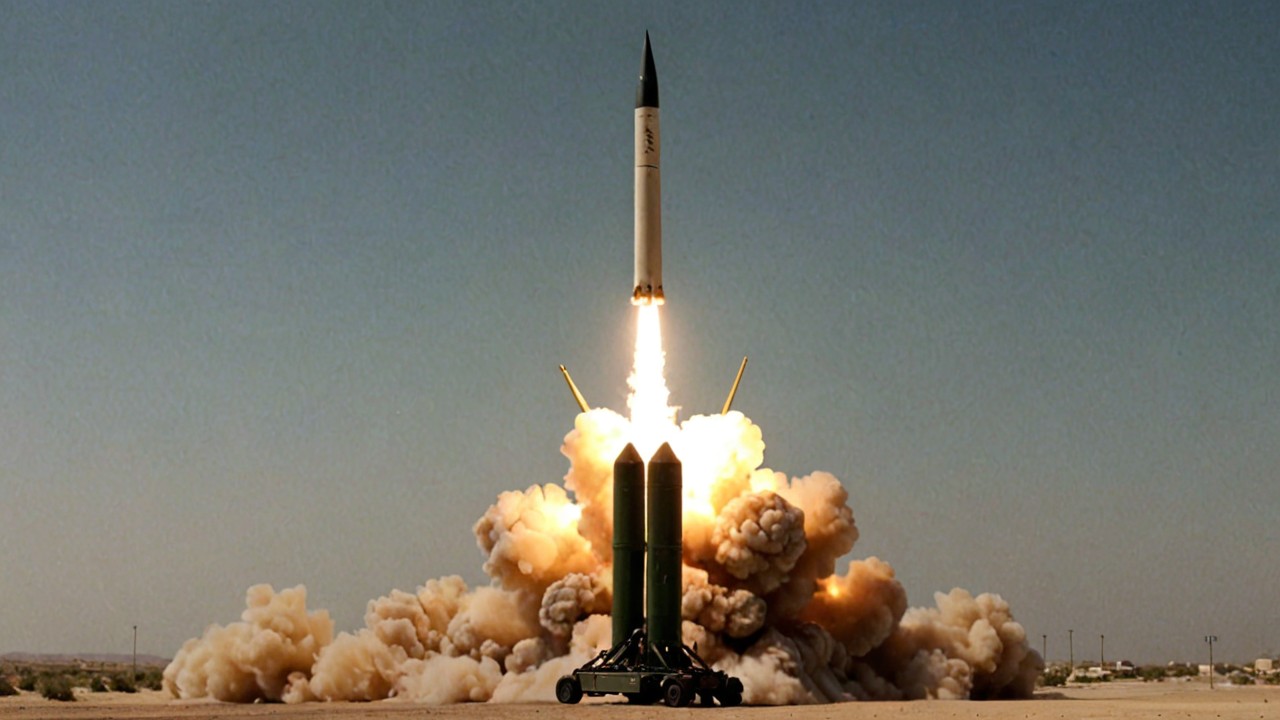
I. PUBLIC NARRATIVE
On June 6, 2026, the BBC reported: 'US and Iran exchange strikes in Gulf in latest test of ceasefire.' The US military says it struck 'Iranian drones and radar sites' in a defensive operation. Iran says it targeted 'US bases in Kuwait and Bahrain.' Both sides frame their actions as responses to the other's aggression.
Independent verification came from Kuwait: the country intercepted 7 ballistic missiles over residential areas, with Al Jazeera publishing videos of the interceptions. Debris fell but no casualties were reported.
This is the latest 'test' of a ceasefire that was supposedly signed — yet strikes continue on both sides, and the language used ('defensive,' 'retaliatory,' 'preemptive') obscures which party is the aggressor. The US narrative: Iran violated the ceasefire first, we responded. Iran's narrative: the US never stopped striking, we responded. With the Gulf as the battlefield, third-party states (Kuwait, Bahrain) are caught in the crossfire — but neither the US nor Iran acknowledges hitting anything but 'military targets.'
Al Jazeera also reported: '100 days into the war on Iran, Trump fails to rally US support' — the war is domestically unpopular, and the administration's framing of strikes as 'defensive' serves a domestic political function as much as a military one.
II. TELEMETRY FEED
- BBC: 'US and Iran exchange strikes in Gulf in latest test of ceasefire' — 'US military strikes Iranian drones and radar sites and Tehran says it has targeted US bases in Kuwait and Bahrain'
- Al Jazeera: 'Videos show Kuwait intercepting ballistic missiles from Iran' — 7 missiles intercepted over residential areas, debris but no casualties
- Al Jazeera: '100 days into the war on Iran, Trump fails to rally US support' — 'Unpopularity of the war may affect the US approach to the conflict and hurt Republicans in the elections, analysts say'
- Previous Siphoned Truth coverage (June 6): 'US-Iran Gulf strikes — defensive narrative vs. offensive reality' and 'US-Iran Hormuz economic warfare' — this is a continuing pattern
- Contradiction: Both sides claim 'defensive' or 'retaliatory' status; neither acknowledges initiating. The word 'ceasefire' is used while missiles fly.
- Kuwait's role: A neutral third party intercepting missiles aimed at US bases on its soil — Kuwait didn't start this war, but its air defense systems are now active combatants
- OSINT angles: Kuwaiti civilian video verification of missile interceptions (Al Jazeera has footage); AIS/satellite tracking of US naval assets in Gulf; satellite imagery of struck Iranian radar sites (if US claims are verifiable); Bahrain base activity; comparison of US CENTCOM statements vs. Iranian Fars/Tasnim claims — who claims what and when
- Domestic angle: US public opinion polls on Iran war (Al Jazeera piece cites unpopularity); Republican midterm vulnerability; contrast between 'defensive' framing and Kuwaiti civilians filming missiles overhead
III. ADVERSARIAL ANALYSIS
'Defensive is the new offensive' — When both sides of a war both claim to be acting 'defensively' and a third country has to shoot missiles out of its own sky, the word has been weaponized. Focus on Kuwait: a country that didn't choose this war, now running active missile defense because neither the US nor Iran will admit to being the aggressor. The video evidence from Kuwaiti civilians is your OSINT anchor — those phones captured something neither Washington nor Tehran wants to explain: missiles over residential neighborhoods during a 'ceasefire.' Tie it back to the domestic unpopularity angle — the administration needs 'defensive' because 'offensive' loses midterms.
IV. THE VERDICT
[SIPHONED VERDICT]: The video evidence from Kuwaiti civilians is your OSINT anchor — those phones captured something neither Washington nor Tehran wants to explain: missiles over residential neighborhoods during a 'ceasefire.' Tie it back to the domestic unpopularity angle — the administration needs 'defensive' because 'offensive' loses midterms.
V. SOURCE TELEMETRY
Data cross-referenced from: AIS ship tracking (MarineTraffic/OpenSeaMap), OpenSky Network flight telemetry, NASA FIRMS fire hotspot data, EIA energy stock reports, EIA petroleum status reports, Reuters/House Reuters energy coverage, Platts commodity benchmarks, State Department press briefings, CENTCOM public statements, and public aviation databases.