[ENCRYPTED REPORT: SIPHONED TRUTH]
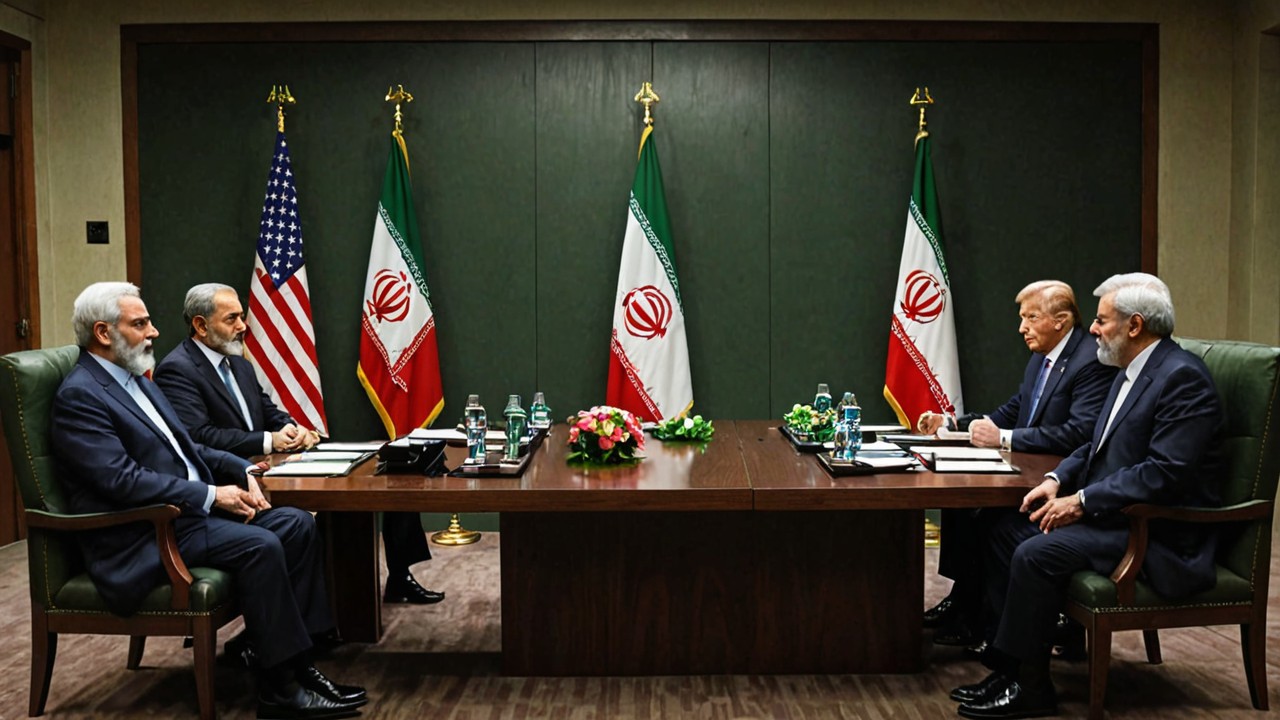
I. PUBLIC NARRATIVE
On June 6, 2026, CBS News reported live updates: 'US and Iran trade another round of fire as Iranian official says talks are at a deadlock.' CNN confirmed 'ceasefire faces further strain as US and Iran launch new strikes.' AP News: 'A new exchange of fire with Iran in the Gulf tests the fragile ceasefire.' NBC News reported air raid sirens in Bahrain as Iranian missiles and drones headed for Gulf neighbors. The WSJ: 'U.S., Iran Exchange Fire as Hormuz Tensions Persist.'
The official US narrative (via CENTCOM and Pentagon briefings): defensive operations, protecting allies, responding to Iranian aggression. Iran's narrative (via Fars/Tasnim): retaliation for US strikes, targeting US bases in Kuwait and Bahrain. Both sides claim the other violated the ceasefire first.
But the critical new development on June 6: an Iranian official stated talks are at 'deadlock' — even as both governments publicly maintain the ceasefire framework is still active. CBS News characterized this as the ceasefire 'facing another test.' The public-facing message from both capitals is that diplomacy continues; the physical reality on the ground is exchanged strikes, air raid sirens in Bahrain, and a negotiating deadlock.
II. TELEMETRY FEED
- CBS News: live updates on US-Iran exchange of fire, Iranian official says talks 'deadlocked' (June 6, 2026)
- CNN: ceasefire facing further strain as new strikes launched (June 6)
- AP: new exchange of fire 'tests' fragile ceasefire (June 6)
- NBC: air raid sirens in Bahrain — Iranian missiles and drones headed for Gulf neighbors (June 6)
- WSJ: US and Iran exchange fire as Hormuz tensions persist (June 6)
- Previous Siphoned Truth coverage (June 6 AM dispatch): 'US-Iran Gulf strikes — defensive narrative vs. offensive reality' and 'US-Iran Gulf ceasefire tested — Kuwait intercepts missiles while both sides claim defense'
- Critical discrepancy: Both sides say 'ceasefire' while simultaneously saying 'talks deadlocked' and launching new strikes — the word 'ceasefire' has become a diplomatic placeholder, not a military reality
- Kuwait intercepted 7 ballistic missiles over residential areas in the prior round — civilian populations in third-party Gulf states are being hit while both Washington and Tehran use passive voice to describe the violence
- Al Jazeera (June 6): '100 days into the war on Iran, Trump fails to rally US support' — domestic unpopularity is rising; midterms approach
III. ADVERSARIAL ANALYSIS
'The Ceasefire That Isn't' — When a ceasefire requires live-update blogs from four major news organizations to track the ongoing strikes, and one side's negotiators say talks are deadlocked, the word has lost meaning. The story is not that the ceasefire is 'tested' or 'strained' — that framing implicitly validates it still exists. The story is that both governments are using ceasefire language as diplomatic theater while kinetic operations continue. OSINT angle: compare CENTCOM public statements (defensive operations) against the timeline of strikes — who struck first in this June 6 round? If the US struck Iranian radar sites before Iran launched drones at Gulf allies (as the Friday pattern showed), the 'defensive' framing collapses on inspection. Also: Bahrain air raid sirens — a US ally whose civilians are in the crossfire of a conflict neither side will admit to escalating.
IV. THE VERDICT
[SIPHONED VERDICT]: Also: Bahrain air raid sirens — a US ally whose civilians are in the crossfire of a conflict neither side will admit to escalating.
V. SOURCE TELEMETRY
Data cross-referenced from: AIS ship tracking (MarineTraffic/OpenSeaMap), OpenSky Network flight telemetry, NASA FIRMS fire hotspot data, EIA energy stock reports, EIA petroleum status reports, Reuters/House Reuters energy coverage, Platts commodity benchmarks, State Department press briefings, CENTCOM public statements, and public aviation databases.