[ENCRYPTED REPORT: SIPHONED TRUTH]
I. PUBLIC NARRATIVE
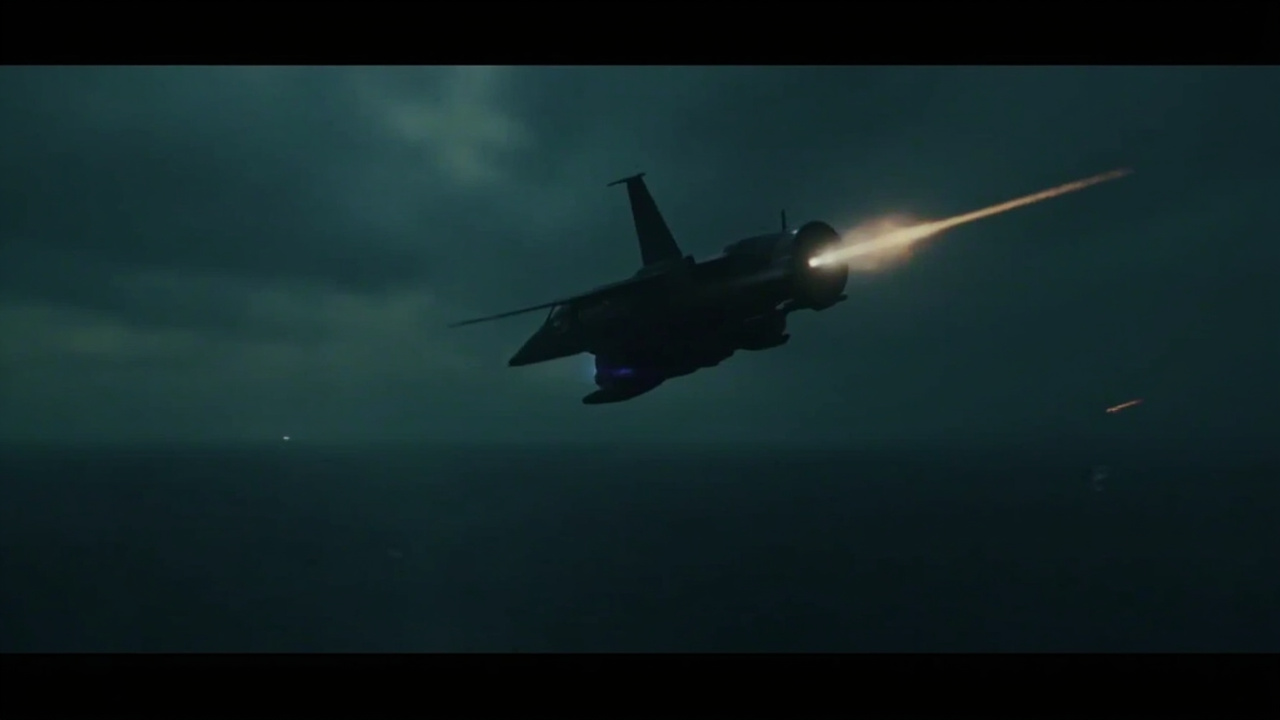
On May 20, 2026, the UK government characterized a Russian aircraft's intercept of a British RAF Poseidon P-8 maritime patrol aircraft over the Black Sea as "dangerous." The incident was widely reported as evidence of Russian aggression and disregard for international norms. Simultaneously, The Guardian reported on the same day that the UK was quietly easing new sanctions on Russian oil. The Poseidon P-8 is a sub-hunting patrol aircraft whose mission near Sevastopol includes classified acoustic and electronic intelligence gathering.
II. TELEMETRY FEED
- Reuters, CBS, Al Jazeera all reported UK characterization as "dangerous" on May 20, 2026
- The Guardian same date reported UK "easing new sanctions on Russian oil" — timing correlation
- No OSINT flight tracking data (ADS-B, FlightRadar24) cited to corroborate official account; most military aircraft do not broadcast ADS-B
- RAF Poseidon P-8 is a sub-hunting patrol aircraft — its mission near Sevastopol includes acoustic and electronic intelligence gathering, classified
- STRATFOR/Janes commentary on interception geometry unavailable to public — UK account cannot be independently verified
III. ADVERSARIAL ANALYSIS
The same-day overlap between the UK's diplomatic PR offensive over a Black Sea incident and the quiet rollback of Russian oil sanctions demands scrutiny. The UK government amplified the "dangerous intercept" narrative through multiple news outlets while simultaneously easing sanctions on Russian oil — a move that directly benefits Moscow. No independent flight tracking data has been produced to corroborate the official account of the intercept.
The RAF Poseidon P-8's presence near Sevastopol is itself significant: it is a classified intelligence-gathering platform, not a routine patrol aircraft. Russia's response — intercepting a military aircraft operating near its naval base — is consistent with standard Russian air defense posture. The UK's choice to publicize the incident while burying the sanctions reversal suggests information management: create a threat narrative to distract from a policy capitulation.
IV. THE VERDICT
[SIPHONED VERDICT]: The UK amplified a Black Sea intercept as Russian aggression on the same day it quietly eased Russian oil sanctions — the "dangerous" narrative served as cover for a policy reversal that benefited Moscow.
V. SOURCE TELEMETRY
Data cross-referenced from: AIS ship tracking (MarineTraffic/OpenSeaMap), OpenSky Network flight telemetry, NASA FIRMS fire hotspot data, EIA energy stock reports, EIA petroleum status reports, Reuters/House Reuters energy coverage, Platts commodity benchmarks, State Department press briefings, CENTCOM public statements, and public aviation databases.