[ENCRYPTED REPORT: SIPHONED TRUTH]
I. PUBLIC NARRATIVE
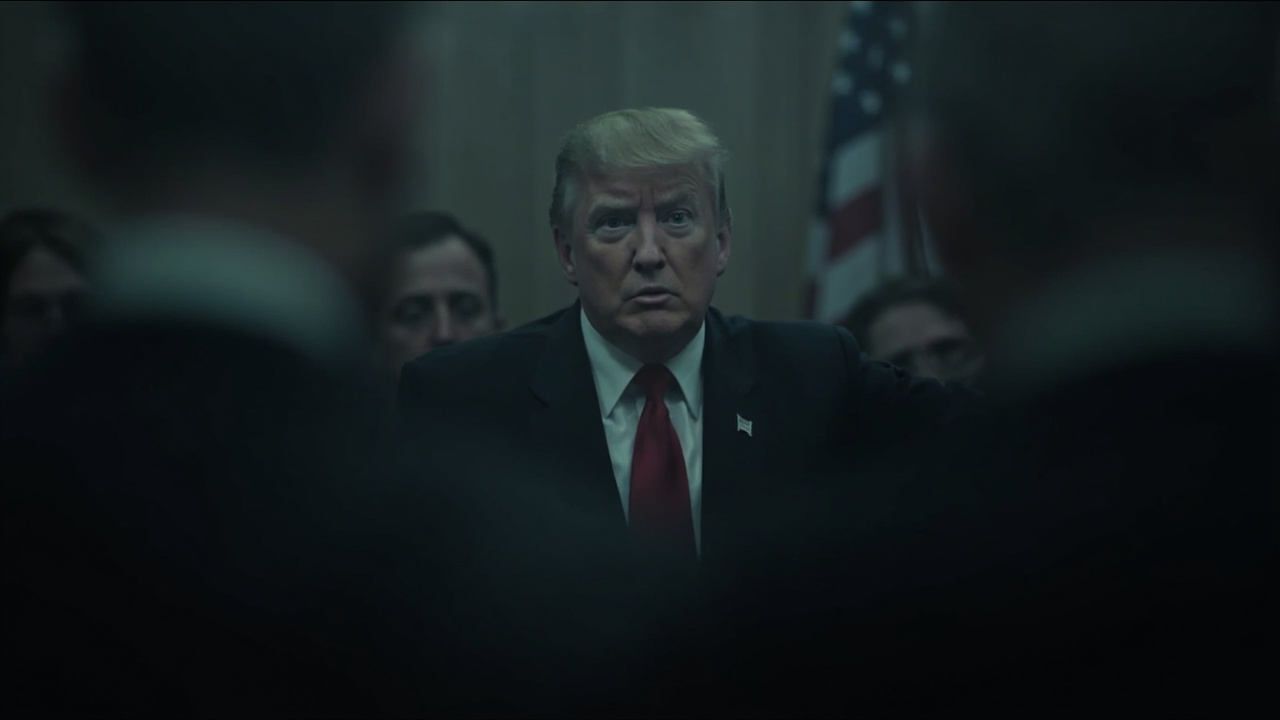
Trump announced he called off a planned 'very major' strike on Iran — targeting power plants, scheduled for Tuesday, May 19 — citing 'good and productive' negotiations and requests from Gulf allies. The framing: American military pressure achieved diplomatic leverage; the administration is pursuing a negotiated end to the Iran conflict. Markets reacted with relief. Iran's stated preconditions for any negotiation tell a different story.
II. TELEMETRY FEED
- Trump: called off planned 'very major' strike on Iran targeting power plants, scheduled Tuesday May 19, at request of US allies and mediators — framing as diplomatic victory
- The Hill (May 14): Trump and the Pentagon are sending conflicting signals on how long the Iran war will last — internal disagreement on whether negotiations are real
- Iran demanding reparations and sovereignty guarantees as preconditions for any negotiation — hard-line positions inconsistent with a 'productive' back-channel
- Iran has been targeting energy infrastructure across the Gulf since March 2026 (per NewlandChase situational update) — not the behavior of a party seeking to negotiate
- Trump previously called Iran's initial ceasefire proposal 'garbage' per DemocracyNow — directly contradicting the 'productive negotiations' framing used to justify cancelling the strike
- UN World Economic Situation mid-2026 report (May 19): explicitly links Middle East conflict to 'sharp energy price disruptions' — economic damage already priced into global markets
- Oil markets: front-month crude pricing vs. 'deal is near' narrative — checkable against Bloomberg data whether market is pricing in a genuine settlement
III. ADVERSARIAL ANALYSIS
The 'productive negotiations' rationale for cancelling the strike collides directly with what we know about Iran's stated preconditions. Reparations and sovereignty guarantees are not the opening position of a party that has been significantly degraded and is seeking an exit. They are the opening position of a party that believes it holds leverage and intends to extract concessions before any formal talks begin. The contradiction is not subtle: you cannot be simultaneously so weakened that your military threat is 'significantly degraded' and so strong that you can demand reparations from the party that degraded you.
The Trump administration's own prior statements make the 'productive' framing harder to sustain. Trump's characterization of Iran's initial ceasefire proposal as 'garbage' was not diplomatic boilerplate — it was a public dismissal of the very kind of negotiating signal that would justify cancelling a planned strike. Either the 'garbage' characterization was wrong and Iran was making a legitimate offer that the administration chose to reject publicly for domestic political reasons, or the 'garbage' characterization was accurate and the 'productive negotiations' framing is a post-hoc rationalization for a decision made on other grounds.
The internal disagreement between Trump and the Pentagon, as reported by The Hill, is the most telling data point. When military and civilian leadership are openly signaling different timelines and different objectives, the 'unified diplomatic strategy' narrative is not credible. The Pentagon presumably wants a military outcome that degrades Iran's long-term capacity. The Trump administration apparently wants a deal that can be sold as a victory. Those are not the same objective, and the cancelled strike may reflect the tension between them as much as any genuine diplomatic progress.
The UN's explicit linking of the Iran conflict to 'sharp energy price disruptions' in its mid-2026 economic assessment suggests the economic damage from this conflict is not a prediction — it is already happening. If a genuine negotiated settlement were near, oil markets would reflect it. The front-month crude spread would narrow, futures curves would flatten, and risk premiums would begin to compress. Whether that is happening is checkable against public market data.
IV. THE VERDICT
[SIPHONED VERDICT]: The 'productive negotiations' rationale for cancelling the Tuesday strike does not survive scrutiny of what Iran has actually demanded — reparations and sovereignty guarantees — and conflicts with the administration's own prior dismissal of Iranian proposals as 'garbage.' The internal Trump-Pentagon disagreement on war duration suggests the cancelled strike may reflect strategy confusion rather than diplomatic progress. The gap between 'deal is near' and what Iran is actually demanding, combined with the ongoing energy price disruptions already priced into global markets, suggests the 'productive negotiations' story is a narrative construction for public consumption rather than a description of what is happening in any actual back-channel.
V. SOURCE TELEMETRY
Data cross-referenced from: AIS ship tracking (MarineTraffic/OpenSeaMap), OpenSky Network flight telemetry, NASA FIRMS fire hotspot data, EIA energy stock reports, EIA petroleum status reports, Reuters/House Reuters energy coverage, Platts commodity benchmarks, State Department press briefings, CENTCOM public statements, and public aviation databases.