[ENCRYPTED REPORT: SIPHONED TRUTH]
I. PUBLIC NARRATIVE
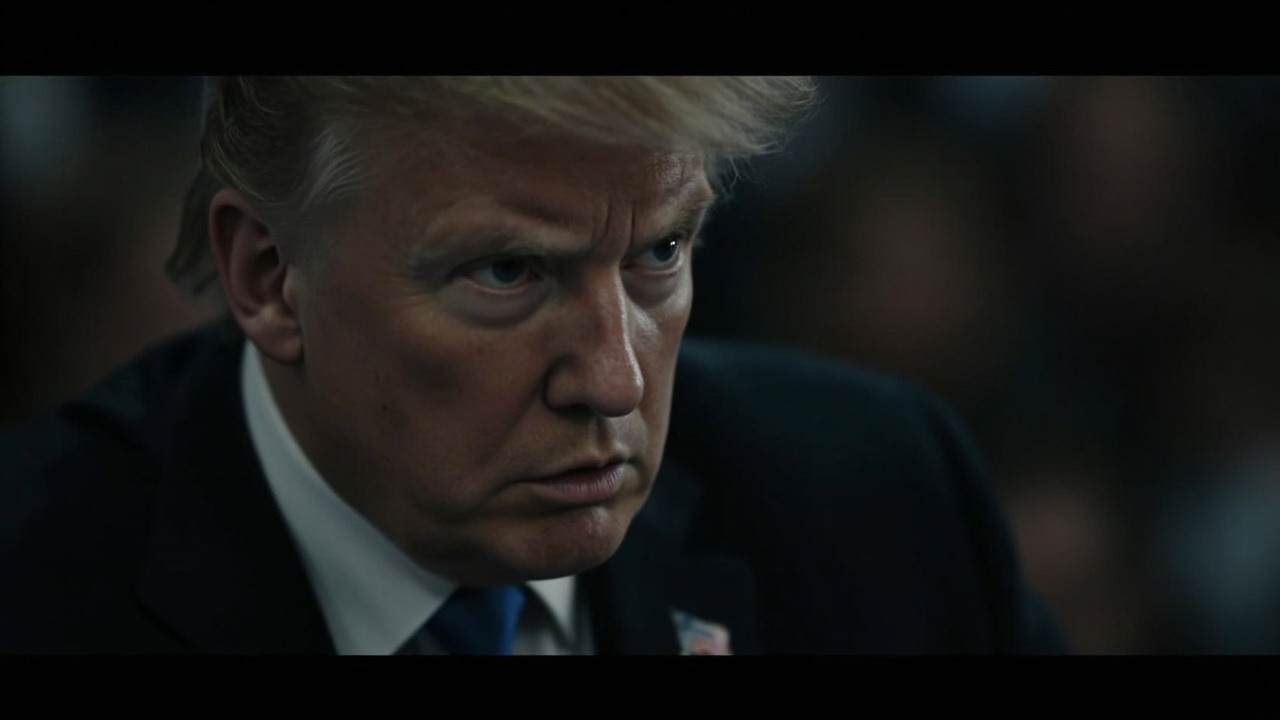
On June 7, 2026, President Trump publicly pressured new Federal Reserve Chair Kevin Warsh to cut interest rates, telling NBC's Meet the Press that the Fed chair should 'do whatever he wants' while criticizing possible rate hikes. Simultaneously, US stocks fell despite a strong jobs report — a counterintuitive market move that Barclays analysts explained as entering 'the warning zone.' The FT reported that Trump 'piles pressure on Kevin Warsh with call for rate cut.'
II. TELEMETRY FEED
- Stocks fell on a 'great jobs report' because strong employment data signals the economy is running hot — which means the Fed CAN'T cut rates without risking inflation. The market is pricing in the reality that Trump's political demand and the Fed's mandate are on a collision course.
- Trump's 'do whatever he wants' framing contradicts the Fed's statutory independence. The president appoints the chair but cannot direct monetary policy. Public pressure of this kind — delivered via national TV — is historically unprecedented in its directness and creates a credibility crisis for the Fed.
- The Iran war's supply chain disruption is the elephant in the room. Oil prices, shipping costs, and defense spending are all feeding inflation pressures that rate cuts would accelerate. Trump wants lower rates to offset war-driven economic pain — but the war itself is the source of the inflation that prevents rate cuts.
- This is the classic 'Trump says X, markets do Y' pattern. The physical evidence: bond yields, equity prices, jobs data, inflation expectations. All of them point the opposite direction from the president's stated preference. The gap between political speech and market reality is measurable in basis points.
- Kevin Warsh is a new Fed chair (recently confirmed). His debut is immediately being politicized, which damages the Fed's institutional credibility regardless of what decision he makes.
III. ADVERSARIAL ANALYSIS
Title: 'Trump Demands a Rate Cut the Economy Won't Allow'
Core argument: Trump's public pressure on the Fed chair reveals a president who views monetary policy as a political tool rather than an independent stabilization mechanism. The market's negative reaction to good jobs data is the physical evidence: strong employment means the economy doesn't need a rate cut, and the bond market knows war-driven inflation makes cuts dangerous. Trump is demanding the Fed solve a problem that Trump's own foreign policy created — and the market is telling him no.
IV. THE VERDICT
[SIPHONED VERDICT]: Trump is demanding the Fed solve a problem his own foreign policy created — and the market is telling him no.
V. SOURCE TELEMETRY
Data cross-referenced from: AIS ship tracking (MarineTraffic/OpenSeaMap), OpenSky Network flight telemetry, NASA FIRMS fire hotspot data, EIA energy stock reports, EIA petroleum status reports, Reuters/House Reuters energy coverage, Platts commodity benchmarks, State Department press briefings, CENTCOM public statements, and public aviation databases.