[ENCRYPTED REPORT: SIPHONED TRUTH]
I. PUBLIC NARRATIVE
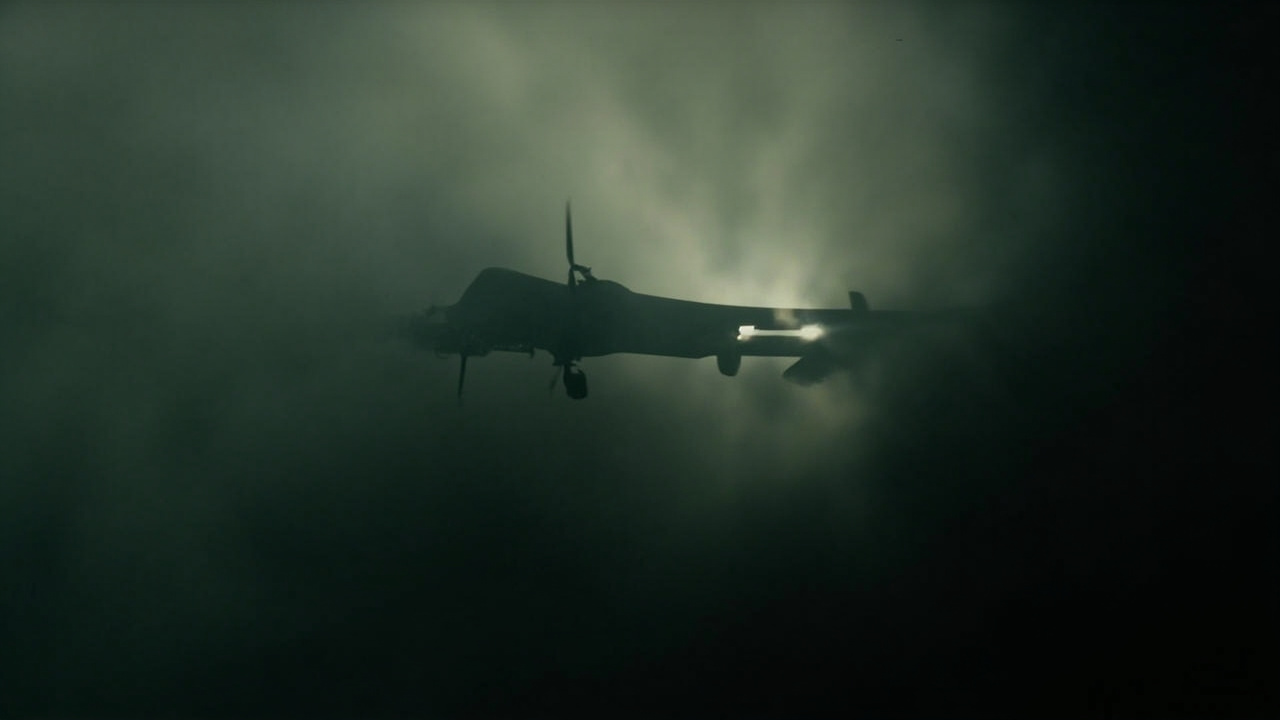
One year after their four-day conflict, India and Pakistan each claim victory. New data on drone losses, radar strikes, and operational claims reveals a more complicated picture — one where both governments' public narratives diverge from what independent analysts and incident documentation can verify.
II. TELEMETRY FEED
- Pakistan Air Force Deputy Chief AV M Tariq Ghazi (May 7, 2026): Pakistan downed 4 Rafales, 1 Su-30, 1 MiG — claims made a full year after the conflict
- India has not independently confirmed these losses; France (Rafale manufacturer Dassault) and Russia (Su-30 maker) have no statements corroborating Pakistani claims
- Independent analysis (IISS, Irregular Warfare Center): most drones in the May 2025 conflict were countered by India's air defense systems — contradicting India's framing of a comprehensive drone success
- India's own drone strikes on May 8, 2025 hit Pakistani radar installations — acknowledged by both sides, one of the few cross-confirmed operational claims
- Operation Sindoor accelerated India's post-conflict drone procurement and anti-drone system investment — the urgency of that pivot is itself evidence of what India's defenses missed
- Both sides issued selective, self-serving claims during and after the conflict — the public record is not a neutral document
- IISS: 'differing and disputed narratives' — the authoritative defense research institution refused to endorse either side's account
- Social media claimed widespread Pakistani airspace violations by India — none independently verified by neutral third parties
III. ADVERSARIAL ANALYSIS
The India-Pakistan drone war narrative is a year-old exercise in motivated reasoning. Both governments released claims during and after the conflict that served domestic political narratives, and neither set of claims has survived independent scrutiny intact. Pakistan's May 2026 claims of downing four Rafales deserve scrutiny on their face. Dassault Aviation has made no statement confirming any such loss. France has a commercial and reputational interest in the Rafale's airframe — it would have every incentive to acknowledge confirmed losses to validate the aircraft's combat exposure. The silence from both Dassault and the French government is not proof the losses didn't happen, but it is data against the claims. India's counter-claims of successful drone interceptions are complicated by Operation Sindoor's aftermath. If India's air defense was as effective as claimed, the post-conflict procurement acceleration makes no sense. Nations don't urgently buy anti-drone systems when their existing anti-drone systems worked. The Indian government's own post-conflict behavior is evidence against its public claims. The IISS — a non-partisan British defense research institution — is the most credible reference. Their characterization of 'differing and disputed narratives' is not diplomatic hedging; it is an analytical finding. When the authoritative open-source defense research institution can't verify either side's account, the honest position is that neither account is reliable without further documentation. What is verifiable: both sides used drones operationally, both sides claimed successes, neither side's claims are fully corroborated, and the conflict produced enough military incidents to accelerate drone procurement programs in both countries. The narrative of who won is secondary to the fact that both governments are still arguing about it a year later.
IV. THE VERDICT
[SIPHONED VERDICT]: The drone war winner is officially contested because the evidence is officially contestable. India and Pakistan each claimed what served them, cited what supported them, and ignored what didn't. Independent analysts refused to pick a side. That refusal is the most credible data point available.
V. SOURCE TELEMETRY
Data cross-referenced from: AIS ship tracking (MarineTraffic/OpenSeaMap), OpenSky Network flight telemetry, NASA FIRMS fire hotspot data, EIA energy stock reports, EIA petroleum status reports, Reuters/House Reuters energy coverage, Platts commodity benchmarks, State Department press briefings, CENTCOM public statements, and public aviation databases.