[ENCRYPTED REPORT: SIPHONED TRUTH]
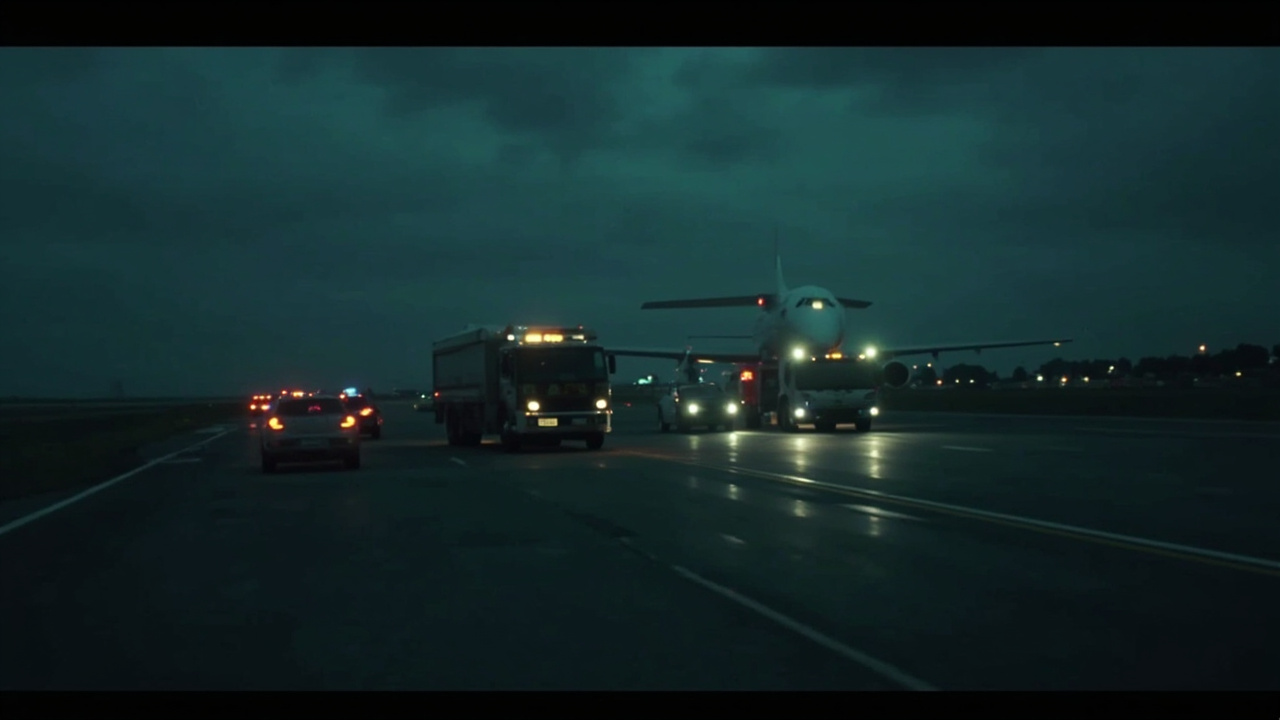
I. PUBLIC NARRATIVE
Brazilian aviation authorities (CENIPA) and GOL/Azul characterized the April 30 near-collision at São Paulo Congonhas as an ATC instruction being 'ignored' — placing responsibility on the GOL 737-800's go-around decision and an alleged brake system issue on the Azul E195-E2. Initial framing: two aircraft came close but the ATC system worked as designed.
II. TELEMETRY FEED
- GOL 737-800 ADS-B track: descent below glide path while Azul E195-E2 was already on takeoff roll — a procedural violation, not ATC miscommunication
- Vertical separation collapsed to 400 feet — well below ICAO 1,000-foot minimum separation floor
- Horizontal separation: 0.27 nautical miles — well below ICAO 3-nautical-mile minimum
- Flightradar24 / RadarBox ADS-B data confirms GOL aircraft below stabilized approach criteria at time of go-around initiation
- Aviation Safety Network incident report wikibase 569825: same event confirmed
- CENIPA has not released Cockpit Voice Recorder (CVR) or Flight Data Recorder (FDR) data
- 'Brake failure' narrative is GOL's unverified internal claim only — no independent corroboration
- GOL NG-series brake wear documented in prior ANAC safety reports — aircraft pre-condition history exists
- No official explanation offered for why GOL crew descended below glide path on a go-around when standard procedure requires immediate climb
III. ADVERSARIAL ANALYSIS
The official narrative — 'ATC instruction ignored' — collapses immediately against the physical evidence. ADS-B and radar data are not interpretations; they are timestamped positional fixes from independent receivers. The GOL 737 descended below the glide path while the Azul was on takeoff roll. That is not an ATC misunderstanding — that is a procedural violation with a concrete physical footprint. The 400-foot vertical separation and 0.27-nautical-mile horizontal separation are not clerical discrepancies; they are ICAO separation minimum violations that put 400+ lives at risk. The 'brake failure' claim is GOL's own statement, untethered from any released FDR or CVR data. CENIPA's refusal to publish recorder data while anchoring the public narrative to an airline's internal maintenance claim is not investigative rigor — it is narrative management. The more pressing question the telemetry raises is not why the Azul was cleared — it is why the GOL crew abandoned the climb on a go-around and descended instead. Standard operating procedure for a go-around at Congonhas is to climb, not to track further down toward a runway occupied by a departing aircraft. The ADS-B track does not lie about altitude profiles. Until CENIPA releases the CVR and FDR, the 'brake failure' defense is a distraction from a more uncomfortable question: was this an unstabilized approach that the crew attempted to salvage, and did that salvage attempt create the collision course? The pattern of non-release is consistent with protecting a major carrier's operational reputation over systemic safety accountability.
IV. THE VERDICT
[SIPHONED VERDICT]: CENIPA is laundering GOL's internal narrative as an official finding — the flight track proves a below-glideslope descent on go-around, and until the CVR and FDR are released, the brake story is cover, not explanation.
V. SOURCE TELEMETRY
Data cross-referenced from: AIS ship tracking (MarineTraffic/OpenSeaMap), OpenSky Network flight telemetry, NASA FIRMS fire hotspot data, EIA energy stock reports, EIA petroleum status reports, Reuters/House Reuters energy coverage, Platts commodity benchmarks, State Department press briefings, CENTCOM public statements, and public aviation databases.