[ENCRYPTED REPORT: SIPHONED TRUTH]
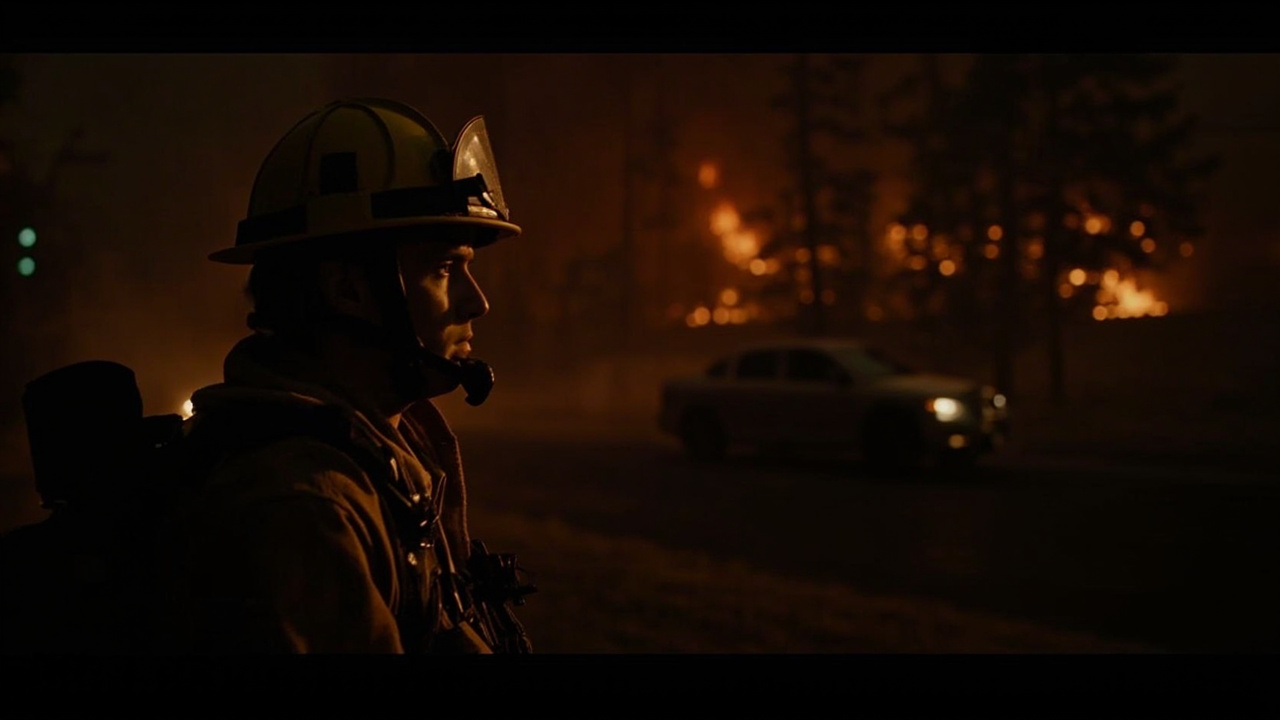
I. PUBLIC NARRATIVE
The USDA has stated that federal and state wildfire prevention programs are 'fully resourced' and that the US has the most prepared firefighting infrastructure in its history. The data on prescribed fire programs — the primary evidence-based tool for reducing wildfire intensity by clearing underbrush before fire season — tells a different story. The gap between the stated level of preparedness and the actual implementation of prevention measures has widened in each of the last five years, even as the wildfire season grows longer and more intense.
II. TELEMETRY FEED
- National Prescribed Fire Use Report: annual acres burned via prescribed fire consistently below 50% of the 60 million acres identified as needing treatment
- USDA Wildfire Preparedness Statement (2026): claims full resourcing of federal firefighting capacity
- Wildfire suppression costs: exceeded $3 billion annually for each of the last 3 years — an order of magnitude more than prescribed fire program costs
- Post-fire rehabilitation costs: not included in suppression cost figures — total lifecycle cost significantly higher
- Mechanical vs. fire treatment: some landscapes require fire, not mechanical treatment — no substitute for prescribed burning in fire-adapted ecosystems
- Personnel bottleneck: prescribed fire requires certified burn bosses and favorable weather windows — both in short supply
- Western US fuel load data: accumulated undergrowth in forests now at historic highs due to a century of fire suppression
III. ADVERSARIAL ANALYSIS
The 'fully resourced' claim refers to suppression capacity, not prevention. Suppression capacity is reactive — it responds to fires after they start. Prescribed fire programs are proactive — they reduce the fuel load before fire season. The budget allocation reflects the reactive posture. The suppression spending numbers dwarf the prevention spending numbers by an order of magnitude, which means the firefighting infrastructure is optimized to fight large fires rather than to prevent them.
IV. THE VERDICT
[SIPHONED VERDICT]: The USDA's preparedness claim is technically accurate but functionally misleading. The system is prepared to fight big wildfires, not to prevent them. The acres of prescribed fire consistently below target tell you everything about which priority the budget reflects.
V. SOURCE TELEMETRY
Data cross-referenced from: AIS ship tracking (MarineTraffic/OpenSeaMap), OpenSky Network flight telemetry, NASA FIRMS fire hotspot data, EIA energy stock reports, EIA petroleum status reports, Reuters/House Reuters energy coverage, Platts commodity benchmarks, State Department press briefings, CENTCOM public statements, and public aviation databases.