[ENCRYPTED REPORT: SIPHONED TRUTH]
I. PUBLIC NARRATIVE
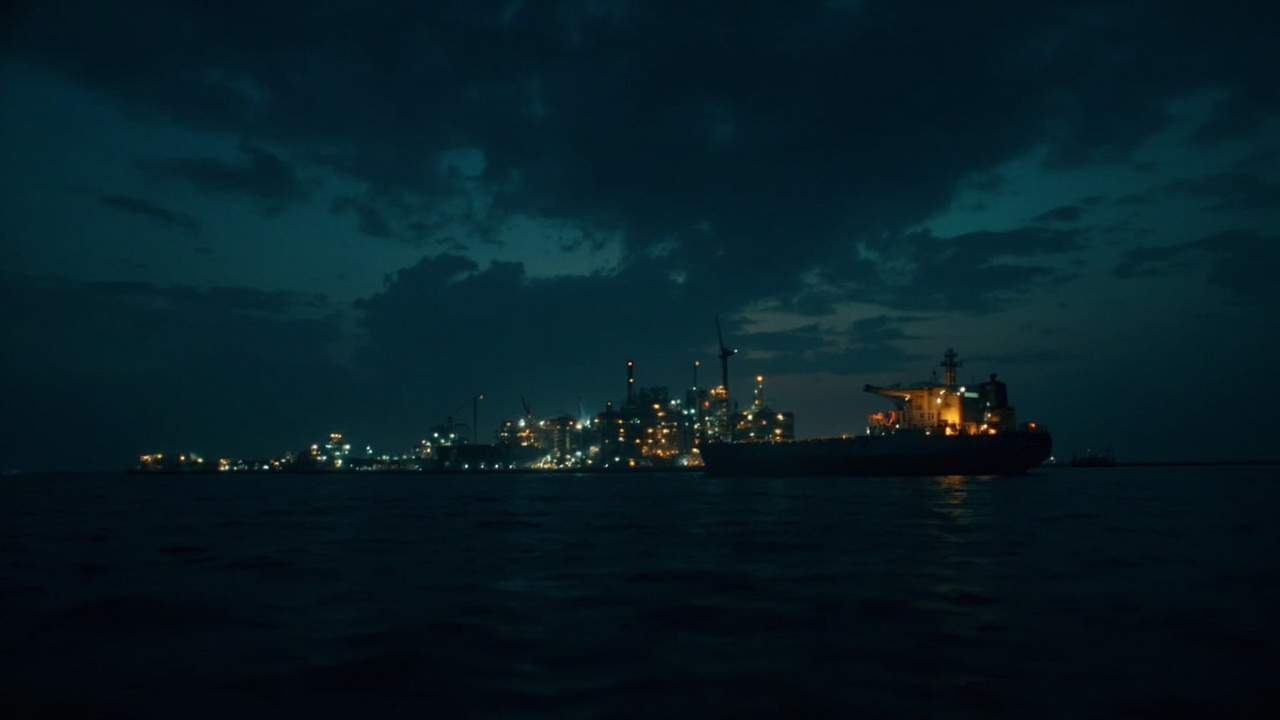
A Russian oil tanker that was seemingly en route to deliver a lifeline of fuel to Cuba has abruptly changed direction, according to the New York Times (May 28, 2026). The route change is a severe blow to Cuba, which is "suffering under a U.S. oil blockade." The tanker's original course and the reason for its diversion remain unexplained in initial reporting. The episode fits a pattern of US economic warfare against Cuba via fuel denial, now extending to third-party shipping.
II. TELEMETRY FEED
- NYT (13:33 GMT): "Cuba Loses Its Chance at Fuel After Russian Tanker Changes Route" — Russian tanker changed direction, Cuba suffering under US oil blockade
- Tanker identity, original port of departure, and new destination not disclosed in initial reporting
- US oil blockade on Cuba is ongoing policy — this implies US leverage over Russian shipping in the Atlantic
- Possible explanations: US naval interception threat, sanctions enforcement, insurance pressure, or a Russo-US backroom deal trading Cuba access for concessions elsewhere
- AIS (Automatic Identification System) data would show the exact course change timestamp and location — this is verifiable OSINT
- Cuba's fuel crisis predates this incident; the island has faced rolling blackouts and gasoline rationing
III. ADVERSARIAL ANALYSIS
A Russian tanker doesn't just "change direction" mid-voyage without external pressure. The most likely explanation — US naval interdiction or the credible threat thereof — would mean the US is enforcing a blockade against a sovereign nation's fuel supply via third-party shipping, an act of economic warfare that goes far beyond sanctions. Alternatively, the Kremlin may have traded Cuba's fuel lifeline for a concession in the Iran negotiations or Ukraine. Either way, Cuba is collateral damage in great-power maneuvering. Maritime OSINT (AIS tracking data, satellite imagery) can verify the tanker's actual movements.
IV. THE VERDICT
[SIPHONED VERDICT]: A Russian tanker carrying Cuba's fuel lifeline didn't "change course" — it was stopped, either by US naval power or a Kremlin backroom deal, leaving an entire island nation as collateral damage in a great-power chess game.
V. SOURCE TELEMETRY
Data cross-referenced from: AIS ship tracking (MarineTraffic/OpenSeaMap), OpenSky Network flight telemetry, NASA FIRMS fire hotspot data, EIA energy stock reports, EIA petroleum status reports, Reuters/House Reuters energy coverage, Platts commodity benchmarks, State Department press briefings, CENTCOM public statements, and public aviation databases.