[ENCRYPTED REPORT: SIPHONED TRUTH]
I. PUBLIC NARRATIVE
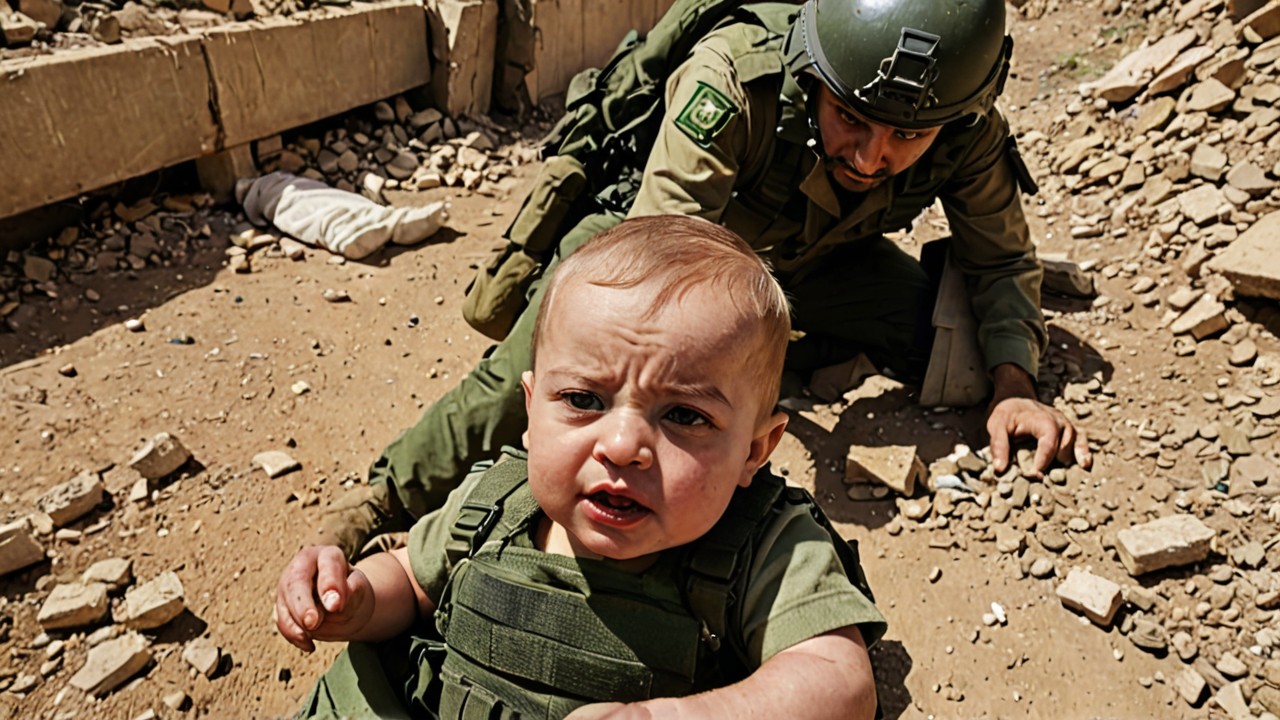
On June 6, 2026, NPR reported that Israeli airstrikes killed nine people in southern Lebanon, including a Lebanese brigadier general, a captain, and a soldier traveling the Khardali-Nabatieh road. The strikes came hours after a ceasefire deal was signed. On the same day, the Associated Press reported Israeli troops killed a 7-month-old infant in the West Bank — the military said the family's car was 'speeding toward soldiers'; the grandmother in the car disputes the account. Two fronts, one day, one pattern: kinetic action while diplomatic language says 'truce.'
Israeli officials frame each incident as a specific response to a specific threat — Hezbollah presence near Nabatieh, a suspicious vehicle in Hebron. The incidents are described as isolated, reactive, and consistent with ceasefire terms that allow 'self-defense.' The physical reality on the ground: a general dead on a road, an infant killed in a car, and a ceasefire that exists in press releases.
This is the second documented round of post-ceasefire Israeli strikes covered by Siphoned Truth. The pattern is no longer incidental — it is systematic. When a brigadier general and a 7-month-old are killed within hours of a government declaring truce on two separate fronts, the word 'ceasefire' has been repurposed as diplomatic performance rather than operational reality. The word functions differently depending on the language of the audience: English-language press releases to Western audiences say 'truce'; Arabic-speaking theaters experience continued strikes.
II. TELEMETRY FEED
- NPR confirmed 9 killed including Lebanese brigadier general, captain, and soldier on Khardali-Nabatieh road
- AP reported Israeli troops killed 7-month-old infant in West Bank — grandmother disputes military's 'speeding vehicle' account
- This is Siphoned Truth's second documented round of post-ceasefire Israeli strikes, establishing a systematic pattern
- NYT visual investigation separately documented Israel's use of white phosphorus over populated Lebanese areas, contradicting claims of proportionality
- Israeli officials use 'ceasefire' and 'self-defense' language in English while strikes continue in Arabic-speaking theaters
- The Nabatieh road is a known civilian transit route in southern Lebanon — not an active combat zone
III. ADVERSARIAL ANALYSIS
The word 'ceasefire' carries operational meaning — it implies a cessation of hostilities, a halt to kinetic operations. When strikes continue on two fronts within hours of the word being used, the word has been severed from its meaning. This is not a semantic complaint; it is a material one. A brigadier general killed on a road, an infant killed in a family car — these are not 'self-defense exceptions' to a ceasefire. They are the continuation of a conflict that both sides have agreed, in diplomatic language, has paused.
The bilingual nature of Israeli messaging — one set of claims for Hebrew and English audiences, a different reality for Arabic speakers on the ground — is a structural feature of how this conflict is narrated. Western audiences read 'ceasefire' and assume operations have stopped. Lebanese and Palestinian civilians experience the opposite. The gap between those two experiences is the ceiling on how much anyone should trust the word.
IV. THE VERDICT
[SIPHONED VERDICT]: A ceasefire that kills a general and an infant on the same day is not a ceasefire — it is a press release.
V. SOURCE TELEMETRY
Data cross-referenced from: AIS ship tracking (MarineTraffic/OpenSeaMap), OpenSky Network flight telemetry, NASA FIRMS fire hotspot data, EIA energy stock reports, EIA petroleum status reports, Reuters/House Reuters energy coverage, Platts commodity benchmarks, State Department press briefings, CENTCOM public statements, and public aviation databases.