[ENCRYPTED REPORT: SIPHONED TRUTH]
I. PUBLIC NARRATIVE
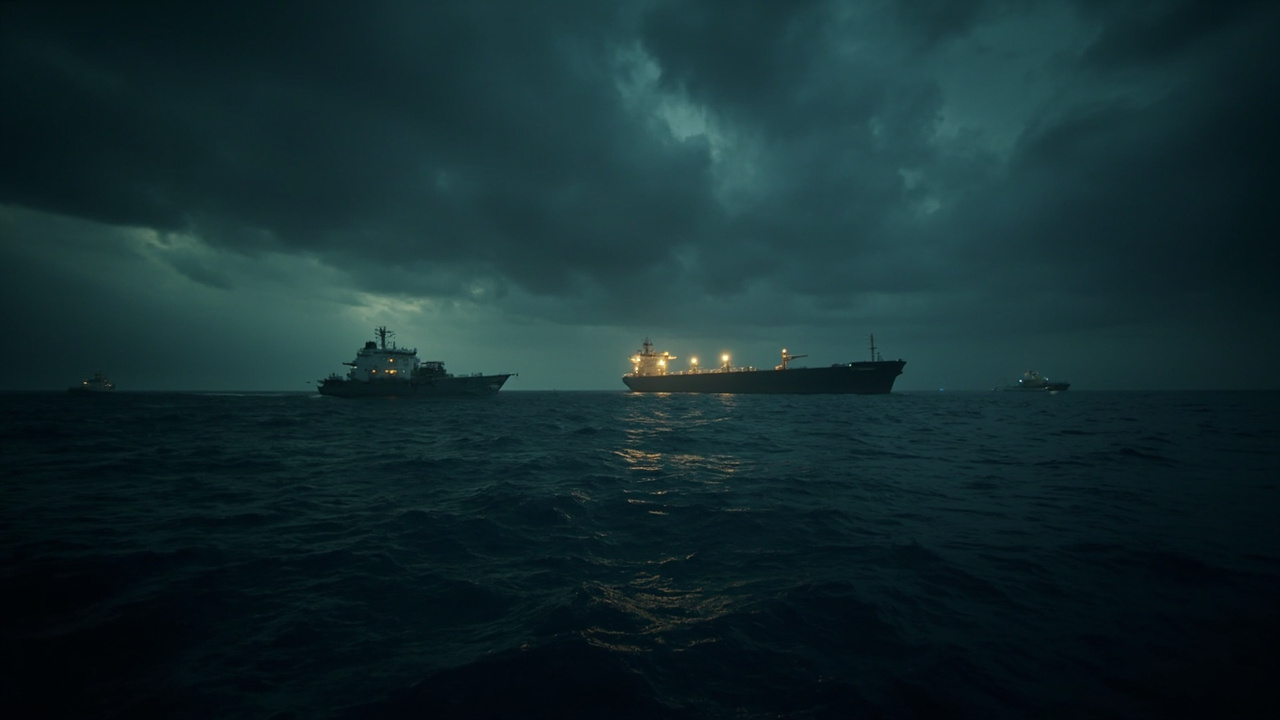
The Trump administration is sending simultaneous contradictory signals on Iran sanctions. Trump told reporters he is "considering lifting" sanctions on Chinese companies that buy Iranian oil, framing it as a diplomatic concession following his Xi summit. Treasury Secretary Scott Bessent, meanwhile, is pressing G7 finance ministers to enforce a unified sanctions regime designed to cut off financing to Iran's "war machine." Publicly, the administration presents a united front of "maximum pressure" while privately signaling flexibility to Beijing. The Strait of Hormuz remains effectively closed, Iraqi oil exports have collapsed, and Iran has established a toll authority to manage what transit remains.
analysis: |
The administration is running two separate plays simultaneously, and neither is working as intended. The new sanctions announced May 11 targeted the sanctions evasion infrastructure — Hong Kong entities, shippers, buyers — the same supply chain China uses to sustain Iranian oil purchases. The message to Beijing was unmistakable: we're still tightening the noose. Then, four days later, Trump floats "considering lifting" as a Xi summit concession, apparently expecting gratitude or reciprocity. Beijing has not publicly endorsed the idea. Wang Yi's condition — a permanent ceasefire that doesn't exist — is a polite way of saying the offer has no floor to land on. Meanwhile, the physical reality of the Strait has not changed: Iran has an operational toll authority, Iraq's exports are down 89%, and the "maximum pressure" campaign has not produced a single barrel of additional Saudi or UAE oil to compensate. You can't simultaneously be tightening sanctions on the same Chinese firms you're dangling relief to, and expect coherent policy outcomes. The "lifting" story reads less like a negotiating position and more like a market signal — an attempt to talk down oil prices by suggesting diplomatic progress where none exists. The G7 unified enforcement push by Bessent is the other half of the same policy paradox: you're asking allies to enforce sanctions your own president is simultaneously signaling he's prepared to waive.
verdict: "[SIPHONED VERDICT]: The administration is running sanctions theater — new restrictions imposed, lifted, or threatened depending on which audience is in the room — while the Strait of Hormuz remains functionally closed and global oil markets absorb an 89% drop in Iraqi exports that nobody in Washington is publicly acknowledging."
II. TELEMETRY FEED
- Reuters (May 11): US announced NEW sanctions on 3 people and 9 companies — including Hong Kong-based entities — for Iran oil shipments. This came days BEFORE Trump's "considering lifting" statement.
- Iraq's oil minister: Iraq exported only 10 million barrels through the Strait in April, down from 93 million barrels/month previously. An 89% drop.
- Just Security (May 18): Trump said Xi agreed Iran should reopen the Strait, but Beijing gave no public commitment. Chinese FM Wang Yi stated reopening depends on a "permanent and comprehensive ceasefire" — which does not exist.
III. ADVERSARIAL ANALYSIS
The administration is running sanctions theater. New restrictions on Tuesday, open-door signals by the weekend, G7 enforcement requests, a Chinese toll authority operating in the Strait, and 89% drops in Iraqi exports that nobody in the US chain of command is publicly acknowledging.
This is not a negotiating strategy. It is a communications strategy — designed to produce headlines, not outcomes. The outcomes are visible in the April export numbers: 10 million barrels instead of 93 million. A Strait that Iran controls, not the US. A toll authority that is collecting fees from whatever still moves through. A Chinese foreign minister who has publicly stated the condition for reopening and knows that condition is not met.
You cannot simultaneously impose new sanctions on a country's oil supply chain and signal you're preparing to lift those same sanctions, and call it coherent policy. You cannot ask G7 allies to enforce a regime your own president is floating relief from. You cannot declare the Strait "secure enough" while it remains effectively under Iranian operational control.
The real story is not the "considering lifting" headline. The real story is the Strait, the export numbers, and the toll authority. Those are not signals. Those are facts.
IV. THE VERDICT
[SIPHONED VERDICT]: The administration is running sanctions theater — new restrictions imposed, lifted, or threatened depending on which audience is in the room — while the Strait of Hormuz remains functionally closed and global oil markets absorb an 89% drop in Iraqi exports that nobody in Washington is publicly acknowledging.
V. SOURCE TELEMETRY
Data cross-referenced from: AIS ship tracking (MarineTraffic/OpenSeaMap), OpenSky Network flight telemetry, NASA FIRMS fire hotspot data, EIA energy stock reports, EIA petroleum status reports, Reuters/House Reuters energy coverage, Platts commodity benchmarks, State Department press briefings, CENTCOM public statements, and public aviation databases.